


What You Need to Know About the Vintage Outdoor Furniture Market
- Nivi Watson

- 15 hours ago
- 6 min read
Have you ever walked past a beautifully weathered wrought iron chair and wondered about its story? Perhaps you've spotted a gorgeous mid-century sun lounger at a market and thought about how it would look in your backyard? Or maybe you're simply curious about why so many Australians are turning away from mass-produced outdoor pieces in favour of something with a bit more character?
The vintage outdoor furniture scene in Melbourne has absolutely exploded in recent years. What was once a niche interest for dedicated collectors has become a mainstream movement. Homeowners across the city are discovering that older pieces offer something that brand-new furniture simply can't replicate—soul, craftsmanship, and a connection to the past. Plus, there's the undeniable appeal of owning something unique that your neighbours won't have.
In this guide, we'll explore everything you need to know about navigating Melbourne's vintage outdoor furniture market. From understanding what actually counts as vintage to finding the best spots to shop, identifying authentic pieces, and caring for your treasures once you've brought them home. Whether you're a seasoned collector or just starting to dip your toes into this fascinating world, you'll find plenty of practical advice to help you make smart choices. Let's get stuck into it.
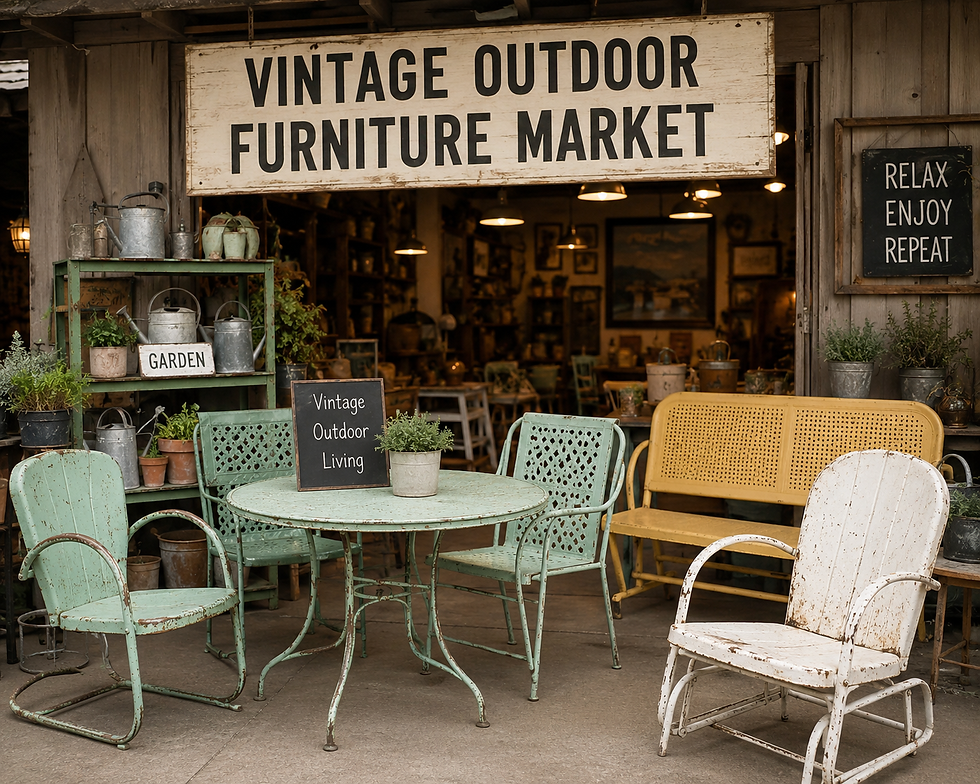
Why Vintage Outdoor Furniture Is Making a Comeback
The Sustainability Factor
Here's something that resonates with many of us—buying vintage is genuinely good for the planet. Every pre-loved piece you purchase is one less item heading to landfill and one less new product that needs manufacturing. In an era where environmental consciousness matters more than ever, choosing second-hand furniture feels like a meaningful way to reduce your footprint.
Melbourne's eco-aware residents have embraced this philosophy wholeheartedly. Rather than buying cheaply made outdoor sets that might last a few seasons before falling apart, they're investing in pieces that have already proven their durability. It's a win-win situation.
Unique Character and Craftsmanship
Mass-produced furniture often lacks personality. Vintage pieces, on the other hand, were frequently handcrafted using techniques that simply aren't economically viable today. The attention to detail in a 1950s wrought iron setting or a Victorian-era garden bench is immediately apparent.
These pieces tell stories. That slight patina on the metalwork? It adds character. The wear patterns on a timber bench? They speak to decades of family gatherings and quiet afternoon teas.
Investment Value Over Time
Unlike modern furniture that depreciates the moment you load it into your car, quality vintage outdoor furniture can actually appreciate in value. Sought-after pieces from particular eras or designers become more valuable as they become scarcer. It's not just furniture—it's a potential investment.
What Counts as Vintage Outdoor Furniture?
Understanding the Difference Between Vintage, Antique, and Retro
The terminology can get confusing, so let's clarify things. Generally speaking, antique refers to items over 100 years old. Vintage typically describes pieces between 20 and 100 years old. Retro usually means newer items designed to look like older styles.
When shopping for vintage outdoor furniture in Melbourne, you'll encounter all three categories. Knowing the difference helps you understand pricing and authenticity. A genuine 1960s piece will command different prices than a modern reproduction.
Popular Eras and Styles in Australia
Australian homes have seen various outdoor furniture trends throughout the decades. Victorian and Edwardian cast iron pieces remain highly collectible. Mid-century modern designs from the 1950s and 60s are incredibly popular right now. The 1970s brought rattan and cane furniture, while the 80s introduced bold colours and plastic materials.
Each era has its devoted followers, and understanding these styles helps you identify pieces that match your aesthetic preferences.

Where to Buy Vintage Outdoor Furniture in Melbourne
Top Markets and Antique Precincts
Melbourne offers brilliant hunting grounds for vintage enthusiasts. The Camberwell Sunday Market is legendary among collectors. High Street in Armadale and Malvern boasts numerous antique shops. Chapel Street in Prahran also delivers excellent finds.
Don't overlook suburban garage sales and estate sales either. Some of the best discoveries happen when you least expect them.
Specialty Dealers and Showrooms
For those seeking curated collections, Melbourne has several dedicated vintage furniture dealers. These specialists often restore pieces before selling, meaning you're getting something ready to use immediately. Yes, you'll pay more than at a flea market, but you're also getting expertise and often some form of guarantee.
Online Marketplaces and Auction Sites
Facebook Marketplace, Gumtree, and eBay have transformed vintage hunting. You can browse hundreds of listings from your couch. Online auctions through houses like Leonard Joel or Deutscher and Hackett occasionally feature outdoor furniture too.
The key with online shopping is asking plenty of questions and requesting additional photos before committing.
Is Vintage Outdoor Furniture Worth the Investment?
Absolutely—but with caveats. Quality vintage pieces from reputable eras and makers hold their value remarkably well. However, not everything old is valuable. Condition matters enormously, as does provenance and desirability.
Think of it this way: a well-maintained 1950s wrought iron setting from a known manufacturer is likely worth investing in. A damaged, generic piece from an unknown maker? Perhaps not so much. Do your research before spending significant money.
How Do You Identify Authentic Vintage Outdoor Pieces?
Key Markers of Authenticity
Genuine vintage pieces often feature maker's marks, stamps, or labels. Construction methods also reveal age—hand-forged iron looks different from machine-made pieces. Examine joints, welds, and hardware carefully.
The weight of materials often indicates authenticity too. Older cast iron is typically heavier than modern reproductions. Timber pieces may show genuine aging patterns that are difficult to fake convincingly.
Common Reproductions to Watch Out For
The market is flooded with reproductions, particularly of popular Victorian and mid-century styles. Be wary of pieces that look too perfect or too uniformly aged. Genuine patina develops unevenly over decades.
If a price seems too good to be true, it probably is. Authentic vintage pieces from desirable periods command premium prices for good reason.
What Materials Were Used in Vintage Outdoor Furniture?
Wrought Iron and Cast Iron
Iron dominated outdoor furniture from the Victorian era through to the mid-twentieth century. Wrought iron was hand-shaped and tends to be lighter and more delicate. Cast iron was poured into moulds, producing heavier, more ornate pieces.
Both materials are incredibly durable when properly maintained, which explains why so many pieces survive today.
Timber and Wicker
Australian hardwoods like jarrah and spotted gum featured prominently in outdoor furniture. These timbers weather beautifully and last generations with minimal care. Wicker and cane pieces, popular from the 1920s onwards, offer a lighter aesthetic.
Mid-Century Metals and Plastics
The post-war period introduced aluminium, tubular steel, and eventually plastics. These materials enabled mass production but also produced some genuinely innovative designs that are now highly collectible.
How to Care for and Restore Vintage Outdoor Furniture
Cleaning and Maintenance Tips
Regular cleaning prevents major problems. For metal pieces, gentle washing with soapy water removes grime without damaging surfaces. Timber benefits from occasional oiling to prevent drying and cracking.
Store delicate pieces under cover during extreme weather. Even durable vintage furniture appreciates protection from Melbourne's harsh summers and wet winters.
When to DIY vs Hire a Professional Restorer
Minor cleaning and touch-ups are perfectly manageable at home. However, significant rust removal, structural repairs, or valuable pieces deserve professional attention. A skilled restorer can work wonders without diminishing a piece's value or character.
Styling Your Outdoor Space with Vintage Pieces
Mixing Vintage with Modern
Don't feel pressured to create an entirely period-correct space. Vintage pieces often look stunning alongside contemporary furniture. A mid-century sun lounger pairs beautifully with modern planters. Victorian iron chairs work wonderfully with sleek outdoor tables.
Creating a Cohesive Look
If you prefer a more unified aesthetic, stick to pieces from similar eras or materials. Group items thoughtfully and consider how colours and textures work together. Cushions and accessories can tie disparate pieces into a harmonious whole.
Can Vintage Outdoor
Furniture Withstand Australian Weather?
Quality vintage pieces were built to last—many have already survived decades of Australian conditions. However, ongoing care matters. Metal pieces need rust protection. Timber requires sealing. Wicker should be kept dry.
With proper maintenance, vintage outdoor furniture handles our climate admirably. Many older pieces are actually more robust than their modern counterparts.
Final Thoughts: Is Vintage Right for Your Outdoor Space?
So, should you take the plunge into Melbourne's vintage outdoor furniture market? If you value sustainability, appreciate craftsmanship, and want something genuinely unique, the answer is a resounding yes. These pieces offer character and quality that simply can't be replicated by mass-produced alternatives.
The hunt itself becomes part of the joy. There's something deeply satisfying about discovering the perfect piece at a market or tracking down exactly what you've been searching for. Each item you bring home carries history and adds personality to your outdoor space.
Start small if you're new to this world. Visit a few markets, chat with dealers, and develop your eye for quality. Before long, you'll find yourself spotting treasures others walk straight past. Melbourne's vintage outdoor furniture scene welcomes newcomers warmly—happy hunting!


Comments