


Why Choose Water Permeable Driveways for Sustainable Homes?
- louisjack110
- Apr 15
- 4 min read

Have you ever watched rainwater cascade down your driveway and straight into the storm drains? Ever wondered where all that water ends up, or what impact it has on your local environment? What if your driveway could actually work with nature instead of against it?
These are questions more Australian homeowners are asking themselves, and for good reason. With increasing awareness about environmental issues and tighter council regulations around stormwater management, the humble driveway is getting a serious rethink. Water permeable driveways offer a brilliant solution that benefits both your property and the planet. They allow rainwater to filter through the surface and soak into the ground below, rather than rushing off into drains and waterways.
In this post, we'll explore everything you need to know about permeable paving. Whether you're building a new property or considering replacing an old concrete slab, this guide will help you make an informed decision about embracing a more sustainable approach to your outdoor spaces.
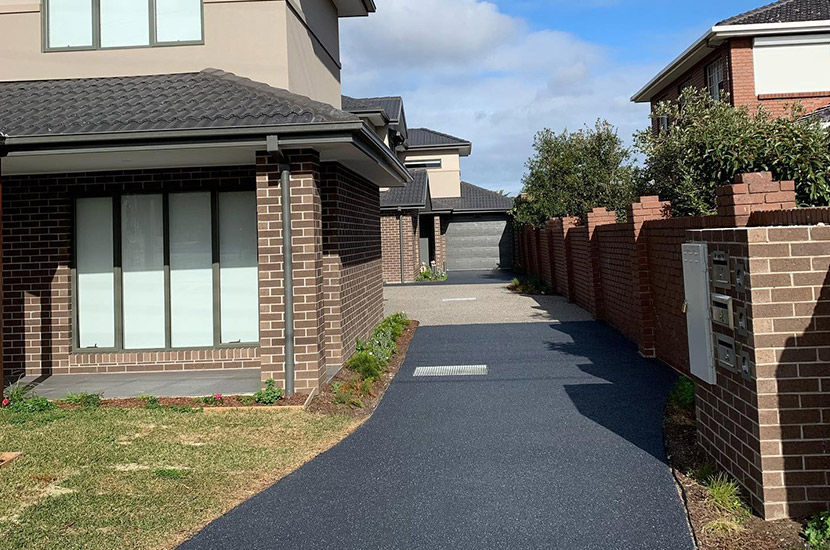
What Is Permeable Paving and How Does It Work?
The Science Behind Water Permeable Surfaces
Permeable paving works on a beautifully simple principle. Unlike traditional concrete or asphalt that creates an impenetrable barrier, permeable surfaces contain gaps, pores, or channels that allow water to pass through. Think of it as giving rainwater a natural pathway back into the earth.
When rain falls on a permeable driveway, it filters through the surface material and into a specially prepared base layer. This base typically consists of gravel or crushed rock that acts as a temporary reservoir. From there, water gradually seeps into the underlying soil, replenishing groundwater supplies naturally.
The system mimics what happens in nature when rain falls on grass or bushland. It's a return to common sense, really—working with the water cycle rather than disrupting it.
Types of Permeable Paving Materials Available
You've got plenty of options when it comes to permeable paving materials. Permeable concrete pavers feature wide joints filled with gravel or sand, allowing water to drain between them. Porous asphalt and concrete are specially formulated with tiny air pockets throughout the material itself.
Grass pavers or grid systems offer another popular choice, particularly for driveways with lighter traffic. These plastic or concrete grids support vehicle weight while allowing grass to grow through them. Gravel driveways, when properly installed with appropriate edging and base layers, also provide excellent permeability at a lower cost.
Each option has its own aesthetic appeal, making it easy to find something that suits your home's style.
Why Are Homeowners Switching to Permeable Driveways?
Growing Environmental Awareness in Australian Suburbs
Australians are increasingly conscious of their environmental footprint. We're sorting recycling, installing solar panels, and choosing water-wise gardens. The driveway is simply the next logical step in this green journey.
Traditional hard surfaces contribute significantly to urban runoff problems. When rain hits concrete, it picks up oil, chemicals, and pollutants before rushing into stormwater systems and eventually our waterways. Permeable paving helps filter these contaminants naturally through the soil.
Plus, there's growing recognition that every property can play a part in managing water sustainably. It's not just about individual benefits—it's about contributing to healthier neighbourhoods and ecosystems.
Council Regulations and Stormwater Management Requirements
Many Australian councils now have strict requirements around stormwater management for new developments.
Choosing permeable paving can help you meet these requirements while maximising your usable outdoor space. Some councils even offer incentives or streamlined approval processes for properties incorporating sustainable drainage solutions.
It's worth checking with your local council before planning any driveway project. You might find that permeable paving isn't just a nice-to-have—it could be essential for getting your development approved.
Permeable Paving: What to Expect Locally
Popular Permeable Paving Options
Permeable paving homeowners typically choose includes interlocking concrete pavers with wide joints, porous concrete, and turf-stone systems. The aesthetic possibilities are genuinely impressive—from modern minimalist looks to rustic, natural finishes.
Local suppliers stock materials suited to Queensland conditions, and many offer colour and texture options that complement typical architectural styles.
How to Maintain Your Permeable Driveway
Maintenance is straightforward. Sweep or blow leaves and debris regularly to prevent surface clogging. Annually, consider using a stiff brush or commercial vacuum to clear joints. Avoid using sand or fine materials near the driveway, as these can reduce permeability over time.
Address any oil spills promptly using appropriate absorbent materials. That's genuinely about it—far less hassle than many people expect.
Making the Sustainable Choice for Your Home
Choosing a water permeable driveway represents a meaningful step toward more sustainable living. You're not just improving your own property—you're contributing to healthier waterways, reduced flood risk, and more resilient urban environments.
The benefits are compelling: natural stormwater management, groundwater replenishment, cooler surfaces, and long-term durability. While the upfront cost may be higher than traditional options, the long-term value—both environmental and financial—makes a strong case for permeable paving.
If you're planning a new water permeable driveways or considering replacing an existing one, take time to explore permeable options. Chat with local installers, check council requirements, and think about which style suits your home. Your future self—and the environment—will thank you for making the sustainable choice.


Comments