


Which Is Better for You: Self Monitoring or Alarm Monitoring services?
- Kate Westall
- May 9
- 6 min read

When it comes to protecting your home or business in Australia, the decision between self-monitoring and professional Alarm Monitoring services can feel overwhelming. Both options promise safety, but they differ in cost, response time, and the level of peace of mind they provide. In this guide we’ll explore the key factors that affect Australian households and small businesses, walk through local regulations, and help you decide which approach fits your lifestyle and budget.
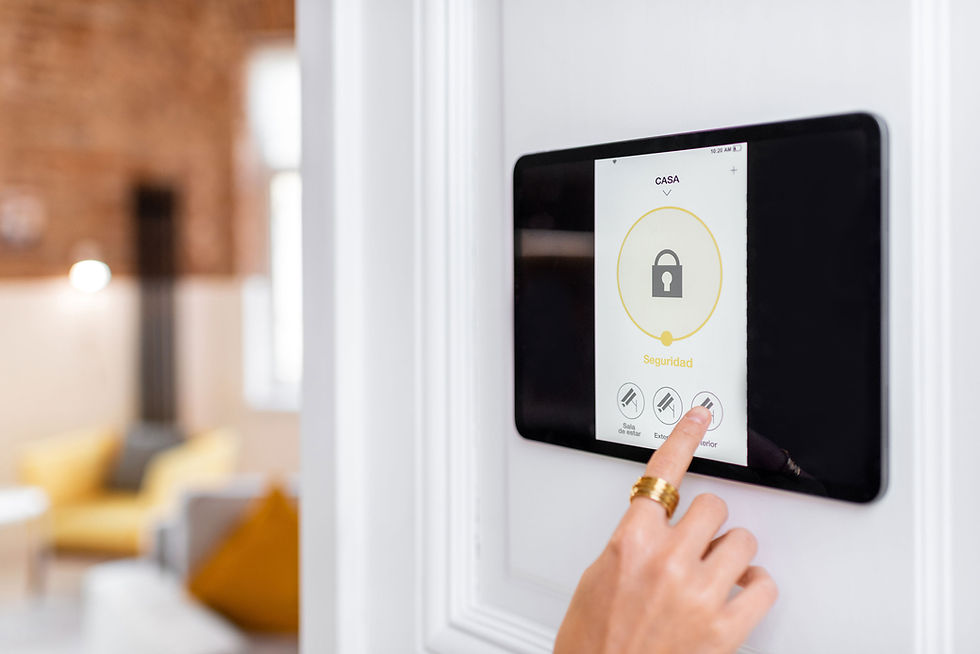
Understanding Alarm Monitoring services
Alarm Monitoring services involve a third-party centre that receives alerts from your security system and takes action on your behalf. When a sensor is triggered – a door opens, a window breaks, or a smoke detector sounds – the signal is sent over a cellular or internet connection to a monitoring hub. Trained operators then verify the alarm, contact you, and if necessary, dispatch emergency services such as police, fire, or ambulance.
How a typical monitoring workflow looks
Sensor detects an event and sends a signal to the control panel.
Control panel forwards the signal to the monitoring centre 24/7.
Operator reviews the alarm, checks for false triggers, and attempts to reach you.
If you cannot be reached or the alarm is confirmed, the operator contacts the appropriate emergency service.
Emergency responders arrive on scene, and you receive a follow-up report.
Self-Monitoring vs. Professional Monitoring
Self-monitoring means you receive alerts directly on your smartphone or email and take action yourself. This can be done with a basic alarm system that uses push notifications, SMS, or email. While self-monitoring saves on monthly fees, it places the responsibility for response on you, which may be challenging if you are away, asleep, or unable to answer the phone.
Key differences at a glance
Response time: Professional Alarm Monitoring services guarantee a rapid response, often within seconds, because operators are always on duty. Self-monitoring relies on your personal availability.
Cost: Self-monitoring typically has a lower upfront cost and no recurring fees, whereas Alarm Monitoring services require a monthly subscription that can range from $20 to $50 depending on the plan.
Reliability: Monitoring centres use redundant communication paths (cellular, internet, landline) to ensure alerts are delivered even if one channel fails. Self-monitoring may be vulnerable to network outages.
Legal compliance: Certain Australian states and territories require Alarm Monitoring services for specific types of premises, such as aged-care facilities or high-risk commercial sites.
Australian Regulations and Standards
Australia has a clear set of rules that govern how alarm systems are installed and monitored. The Australian Standard AS 2201 outlines the requirements for security alarm systems, including the need for a certified installer and, in many cases, a monitoring contract. Additionally, each state has its own legislation:
New South Wales (NSW): The Security Industry Act 1993 mandates that alarm systems for commercial premises be linked to a licensed monitoring service.
Victoria: The Security Devices Act 1992 requires residential alarm systems to meet specific performance criteria, and many insurers offer discounts for Alarm Monitoring services.
Queensland: The Security Providers and Private Investigators Act 1993 encourages the use of professional monitoring for high-value properties.
South Australia, Western Australia, Tasmania, and the Territories: Similar standards apply, with a focus on ensuring that emergency services receive accurate location data.
Understanding these regulations helps you avoid fines and ensures that your insurance policy remains valid. Most Alarm Monitoring services in Australia are already compliant with AS 2201, but it’s worth confirming before signing a contract.
Choosing a Provider in Australia
The market for Alarm Monitoring services in Australia is competitive, with a mix of national chains, regional specialists, and newer tech-focused startups. When evaluating providers, consider the following factors:
What to look for
24/7 coverage: The centre should operate round the clock, including public holidays.
Local dispatch: Providers that have direct links to Australian police, fire, and ambulance services can reduce response times.
Redundant communication: Look for dual-path (cellular + internet) connectivity to avoid missed alerts.
Transparent pricing: Avoid hidden fees for installation, activation, or early termination.
Customer support: A local support team that understands Australian time zones and cultural nuances is a big advantage.
Many Australian households also appreciate providers that offer mobile apps with real-time status updates, video verification, and easy arming/disarming. These features enhance the overall experience and make Alarm Monitoring services feel more integrated with everyday life.
Cost Considerations
While the upfront cost of a basic alarm system can be similar for both self-monitoring and professional monitoring, the ongoing expenses differ. Below is a typical cost breakdown for an Australian home:
Equipment purchase: $500 – $1,200 for sensors, control panel, and optional cameras.
Installation: $150 – $300 if you hire a certified installer.
Monthly monitoring fee: $20 – $50, depending on the plan and number of devices.
Optional add-ons: Video verification ($10 – $15/month), smart home integration ($5 – $10/month).
Self-monitoring eliminates the monthly fee but may require a reliable internet connection and a smartphone plan that can handle push notifications. For many Australians, the peace of mind provided by Alarm Monitoring services justifies the modest recurring cost, especially when insurance discounts are factored in.
Benefits of Alarm Monitoring services
Choosing professional Alarm Monitoring services brings several tangible advantages that align with Australian lifestyles and expectations:
Fast emergency response: Operators can verify alarms and dispatch services within seconds, reducing the risk of damage or injury.
Reduced false alarms: Advanced analytics and video verification help distinguish between pets, weather, and genuine threats.
Insurance incentives: Many Australian insurers offer premium reductions for homes with Alarm Monitoring services.
Remote access: Mobile apps let you arm or disarm your system from anywhere in the country.
Compliance assurance: Professional monitoring meets state regulations and keeps your property legally protected.
Common Misconceptions
There are a few myths that can cloud the decision-making process. Let’s clear them up:
Monitoring is only for high-risk homes: Even a modest suburban house can benefit from Alarm Monitoring services, especially if you travel frequently.
It’s too expensive: When you factor in insurance discounts and the potential cost of a break-in, the monthly fee is often a cost-effective investment.
I can handle alerts myself: While self-monitoring works for some, unexpected situations—like a power outage or a missed notification—can leave you vulnerable.
All providers are the same: Service quality, response times, and local knowledge vary widely across Australia.
Questions and Answers: Common Questions About Alarm Monitoring services in Australia
Q: What is the legal requirement for Alarm Monitoring services in NSW?
In New South Wales, commercial premises with alarm systems must be linked to a licensed monitoring service under the Security Industry Act 1993. Residential properties are not legally required to have monitoring, but many insurers encourage it.
Q: Can I use a mobile phone plan for Alarm Monitoring services?
Yes, most providers support cellular communication as a primary or backup channel. However, it’s wise to choose a plan with unlimited data and good coverage in your area to avoid missed alerts.
Q: How do Alarm Monitoring services handle false alarms caused by pets?
Many Australian monitoring centres use motion-sensor technology that can be calibrated for pet size and movement. Video verification is also offered, allowing operators to view a live feed before contacting emergency services.
Q: Do Alarm Monitoring services offer discounts for seniors?
Some providers have special rates for seniors or pensioners, and many state government programs provide rebates for home security upgrades, including monitoring. Check with local councils or community health services for details.
Q: What should I look for in a contract for Alarm Monitoring services?
Key items include a clear cancellation policy, a list of included services (e.g., video verification), any fees for additional devices, and a statement confirming compliance with AS 2201 and relevant state legislation.
Conclusion: Your Path to a Successful Alarm Monitoring services in Australia
Choosing between self-monitoring and professional Alarm Monitoring services depends on your personal circumstances, budget, and how much peace of mind you want. In Australia, the regulatory environment, insurance incentives, and the availability of reliable 24/7 monitoring centres make Alarm Monitoring services a strong option for most homeowners and small businesses. By understanding local laws, comparing providers, and weighing the ongoing costs against the benefits, you can make an informed decision that protects your property and fits your lifestyle. Take the next step today: assess your security needs, request quotes from a few Australian monitoring providers, and ensure your system complies with AS 2201. With the right Alarm Monitoring services in place, you’ll enjoy a safer home and the confidence that help is always just a call away.


Comments