


How Cloud Based Time and Attendance Software is Transforming Dubai's Workforce in 2026

Dubai’s fast‑moving business scene is finally getting a tool that matches its pace: cloud based time and attendance software. In 2026 the technology is cutting paperwork, syncing schedules across the Burj Khalifa office towers, & keeping the Ministry of Human Resources happy. This article walks through the why, the what, and the how, from biometric clocks on construction sites in Al Quoz to mobile geofencing for delivery crews in JLT, and shows how the cloud is reshaping attendance tracking across the emirate.
Why Dubai Needs Cloud Based Time and Attendance Software
The city’s workforce is a blend of expatriates, locals, and gig workers, all operating under strict UAE labor‑law rules. Traditional punch‑cards can’t keep up with 24‑hour operations in Dubai Marina’s hospitality venues or the rotating shifts at Dubai International Airport... Cloud based time & attendance software gives managers a single source of truth that updates the second, no matter where the employee clocks in.
● Real‑time data eliminates manual reconciliation.
● Scalable to thousands of users across multiple free‑zones.
● Supports Arabic and English interfaces for a multilingual staff.
From what I’ve seen, companies that switched in 2026 reported a 30 % drop in attendance‑related disputes within the first quarter. The thing is, the cloud removes the need for local servers, which is a big win for SMEs that can’t afford a dedicated IT room in Business Bay.
Core Features: Biometric, GPS, and Mobile Clock‑In...
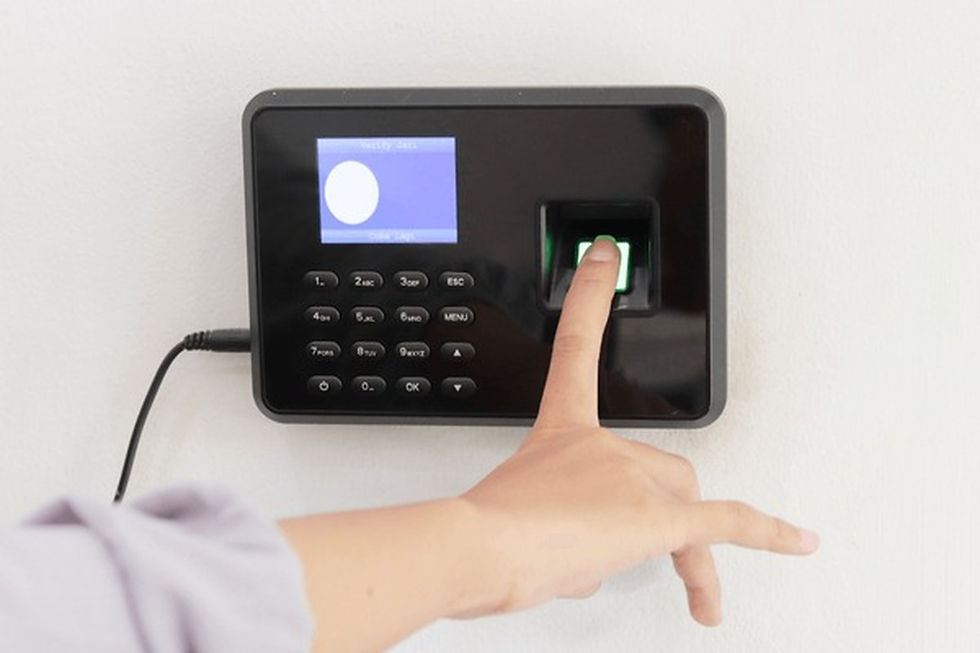
Biometric verification is now standard on construction sites in Al Quoz, where fingerprint scanners tie each worker’s ID to a secure cloud record. Facial recognition units are being installed in the Dubai Mall security office to speed up shift changes without compromising accuracy.
● Fingerprint, facial, and RFID options.
● GPS geofencing for field staff in the desert‑surrounding logistics hubs.
● Mobile app with offline mode for spotty connectivity in the desert.
What typically happens is a delivery driver in Al Barsha opens the app, taps “Start Shift,” & the system logs location, time, and device ID... Like, if the driver moves out of the predefined zone, an automatic alert is sent to the supervisor via whatsapp.
Compliance with UAE Labor Law and WPS
UAE labor law mandates accurate attendance records for overtime, leave, and end calculations. The cloud based time and attendance software automatically aligns timestamps with the Ministry’s WPS (Wage Protection System) reporting format, so payroll can be uploaded directly without manual formatting.
● Built‑in rules for Ramadan hours and public holidays.
● Audit‑ready logs stored for at least five years as required.
● Arabic language reports that match Ministry templates.
In my experience, firms that ignored these digital checks faced penalties during the it cycle... Making sure the system is configured for local regulations saves both money and reputation.
Integration with Payroll and HRIS in Dubai...
Most Dubai businesses already use payroll platforms like Sage, Zakat, or the government‑approved WPS portal. Cloud based time and attendance software offers native APIs that push attendance data straight into these systems, eliminating double entry.
● Two‑way sync with HRIS for leave balances.
● Real‑time payroll calculations for hourly staff in Jumeirah.
● Custom mapping for free‑zone entities that have unique pay codes.
Here’s what I tell people: start with a pilot in one department, map the fields, then scale. The integration step usually takes two weeks if you have a dedicated IT specialist on‑site.

Deployment Models: Cloud‑Only, Hybrid, and On‑Premise
Dubai’s market offers three main deployment choices. Cloud‑only is the simplest: all data lives in a data centre in the UAE meeting the local data‑residency law... Hybrid keeps sensitive employee IDs on a private server while the attendance logs stay in the public cloud. On‑premise is still an option for large oil‑&‑gas firms that demand full control.
● Cloud‑only: fast rollout, lower upfront cost.
● Hybrid: balances security with cloud flexibility.
● On‑premise: maximum control, higher maintenance.
Honestly, most mid‑size retailers in Deira choose cloud‑only because the SLA guarantees 99.9 % uptime, and the Ministry of Human Resources has approved the leading providers.
Security, Data Residency, and Privacy
Data protection is a top concern. The cloud based time and attendance software must be ISO 27001 and SOC 2 certified and it must store data within the UAE or the GCC region to comply with the new GDPR‑UAE privacy framework.
● End‑to‑end TLS encryption for all data in transit.
● At‑rest AES‑256 encryption on storage volumes.
● Regular penetration testing by certified local firms.
Make sure the provider offers a disaster‑recovery plan that can restore attendance records within 30 minutes. In the event of a data‑center outage in Dubai Internet City the system automatically fails over to a secondary site in Abu Dhabi.
Industry‑Specific Use Cases...
Construction firms in Al Quoz rely on RFID tags attached to safety helmets. To be honest, when a worker punches in, the system logs both the time & the helmet id, ensuring compliance with safety regulations.
● Retail chains in Mall of the Emirates use mobile clock‑in for part‑time staff.
● Logistics firms in Ras Al Khaimah track driver routes with GPS geofencing.
● Hospitality venues in Downtown Dubai schedule shift swaps through the employee self‑service portal.
What typically happens is a manager in a warehouse can approve overtime from the dashboard while sipping Arabic coffee in a break room and the payroll engine instantly reflects the extra hours.
Implementation Roadmap and Change Management...
Deploying cloud based time and attendance software in a Dubai organization follows a clear five‑step plan. First, conduct a readiness audit that includes Arabic language support and local network bandwidth checks.
● Step 1: Stakeholder alignment and goal setting.
● Step 2: Data migration from legacy punch‑cards.
● Step 3: Device installation – biometric terminals mobile devices.
● Step 4: Staff training – bilingual workshops in conference rooms.
● Step 5: Go‑live monitoring and post‑deployment support.
Change‑management is crucial. Use a simple Arabic‑English toggle in the app so employees can switch languages instantly. The rollout usually takes six weeks for a 500‑employee site in Dubai Silicon Oasis.
Future Trends: AI Analytics, IoT, and Predictive Scheduling...
By the end of 2026, AI‑driven anomaly detection will flag irregular clock‑ins before payroll errors occur. For example, if a construction crew consistently clocks in five minutes late, the system suggests a schedule adjustment.
● Predictive workforce planning based on historical attendance patterns.
● IoT sensors on equipment that log usage time alongside employee attendance.
● Real‑time alerts via local messaging apps like WhatsApp and Telegram.
From what I’ve seen, early adopters in Dubai Airport are already using these insights to reduce overtime costs by 12 % while maintaining service levels.
Conclusion
Adopting Cloud based time and attendance software Gives Dubai businesses the agility, compliance, and data‑driven insight needed to stay competitive in a fast‑changing market. Here's the thing: the technology’s real‑time capabilities, strong security posture, and seamless integration with local payroll systems make it a practical choice for any organization looking to modernize its workforce management.


Comments