


Common Air Conditioning Problems and How to Fix Them
- Lauren Bracy
- 5 days ago
- 6 min read

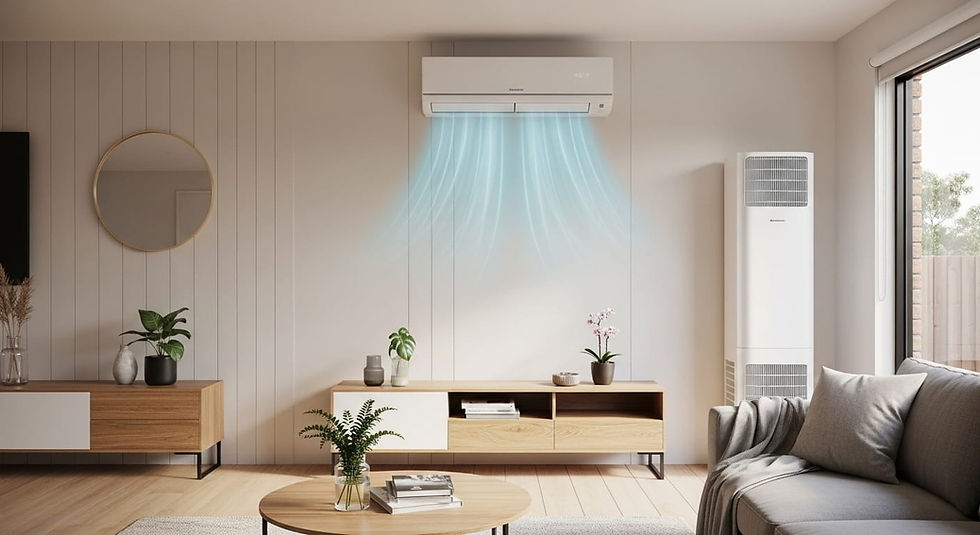
Australia’s climate varies from tropical north to temperate south, and a reliable air conditioning system is essential for comfort, health, and productivity. Whether you live in a hot Brisbane suburb, a humid Darwin neighbourhood, or a cooler Melbourne apartment, the performance of your air conditioning can affect your energy bills, indoor air quality, and even compliance with local regulations. This guide walks you through the most common air conditioning problems, practical fixes, and the Australian specific considerations that keep your system running smoothly.
Typical Air Conditioning Issues and DIY Fixes
1. Insufficient Cooling or Uneven Temperature
When an air conditioning unit fails to reach the set temperature or cools only part of the house, the cause is often simple.
Clogged or dirty air filter – A blocked filter reduces airflow, forcing the system to work harder. Replace or clean the filter every 12 months during peak summer.
Leaking refrigerant – Low refrigerant levels mean the coil cannot absorb heat. This usually requires a licensed technician to locate and repair the leak, then recharge the system.
Improper thermostat placement – If the thermostat sits in direct sunlight or near a heat source, it may read a higher temperature than the rest of the space. Relocate it to an interior wall away from drafts.
Blocked or damaged ductwork – Leaks, kinks, or debris in ducts can cause uneven distribution. Seal gaps with foil backed tape and clean ducts if visible dust accumulates.
2. Strange Noises
Unusual sounds often signal a mechanical problem that needs attention before it leads to a breakdown.
Squealing or squeaking – Usually a worn belt or motor bearings. Tighten or replace the belt and lubricate bearings as recommended by the manufacturer.
Rattling – Loose panels, screws, or debris in the outdoor unit. Secure all fasteners and clear any leaves or twigs.
Humming – May indicate a failing capacitor or electrical issue. Turn off the unit and call a qualified electrician to test the capacitor.
3. Water Leaks and Excessive Condensation
Water problems can damage floors, walls, and furniture, and they often point to drainage issues.
Clogged condensate drain line – Use a wet/dry vacuum to clear blockages, or pour a cup of bleach followed by hot water to dissolve algae.
Improper unit level – If the indoor or outdoor unit is tilted, water may flow outward instead of into the drain pan. Adjust the mounting brackets to level the unit.
Dirty or rusted drain pan – Clean the pan with a mild detergent and inspect for rust. Replace a rusted pan to prevent future leaks.
4. Frozen Evaporator Coil
A frozen coil reduces cooling and can damage the compressor if left unchecked.
Low airflow – Check the filter, fan, and ductwork for restrictions.
Low refrigerant – Only a licensed professional can repair leaks and recharge the system.
Thermostat set too low – During extreme heat, set the thermostat a few degrees higher to give the system a chance to defrost.
5. Bad Odors
Unpleasant smells often indicate mold, mildew, or burnt components.
Musty smell – Clean the evaporator coil and replace the filter. Consider a professional coil cleaning service if mold is extensive.
Burnt smell – Turn off the unit immediately and inspect the wiring and motor. A burnt odor usually means an electrical fault that requires a qualified technician.
Australian Regulations and Energy Efficiency Standards
When dealing with common air conditioning issues and solutions, it’s important to understand that in Australia, air conditioning installations must comply with the National Construction Code (NCC) and the Australian Standard AS/NZS 3666 for ventilation and air conditioning systems. These regulations ensure safety, indoor air quality, and energy efficiency. Many states also offer rebates for high-efficiency units that meet the Minimum Energy Performance Standards (MEPS). Checking for eligibility before purchasing can lower upfront costs and reduce long-term electricity bills.
Key Compliance Points
Licensing – Only a licensed plumber or air conditioning contractor may install or service a split system, ducted unit, or heat pump. Verify the licence number on the Australian Business Register.
Energy rating labels – Look for the Australian Energy Rating (AER) label. Units with a star rating of 4 or higher qualify for most state rebate programs.
Noise limits – The NCC sets maximum outdoor noise levels (typically 55 dB(A) at a 10 metre distance). Choose models designed for low noise operation, especially in residential zones.
Refrigerant handling – The use of high global warming potential (GWP) refrigerants such as R 22 is being phased out. Modern units use R 32 or R 410A, which are more environmentally friendly and comply with the Ozone Depleting Substances (ODS) regulations.
Local Climate Considerations
Australia’s climate zones dictate the type of air conditioning that works best. Below is a quick guide for each major region.
1. Tropical North (Queensland, Northern Territory)
High humidity and temperatures above 30 °C for most of the year.
Choose units with a high dehumidification rating and corrosion resistant coils.
Consider a reverse cycle heat pump for year round comfort.
2. Temperate South (Victoria, South Australia, Tasmania)
Cool winters and warm summers, with occasional heatwaves.
Ducted systems with zoning allow precise temperature control in each room.
Heat recovery ventilation can improve indoor air quality without sacrificing energy efficiency.
3. Arid Interior (Western Australia, South Australia interior)
Very hot days, low humidity.
Split system units with high SEER (Seasonal Energy Efficiency Ratio) ratings are cost effective.
Solar assisted air conditioning can offset electricity use during long sunny periods.
Maintenance Checklist for Australian Homeowners
Regular maintenance not only extends the life of your air conditioning but also keeps it compliant with local standards. Follow this seasonal checklist to stay ahead of problems.
Spring (September-November) – Clean filters, inspect outdoor unit for pollen and debris, schedule a professional service.
Summer (December-February) – Monitor refrigerant levels, keep the outdoor unit clear of foliage, check thermostat accuracy.
Autumn (March-May) – Test heating mode on reverse cycle units, clean condensate drain, verify that seals are intact.
Winter (June-August) – Run the fan periodically to prevent coil freeze, inspect for any water damage from condensation.
Choosing the Right Air Conditioning Provider
When selecting a service provider, look for companies that are members of the Air Conditioning & Refrigeration Association of Australia (ACRA) and hold a valid contractor licence. Ask for written quotes, warranty details, and references from local customers. A reputable provider will also advise on energy saving options, such as programmable thermostats and smart home integration.
Questions and Answers: Common Questions About air conditioning in Australia
Q1.How often should I service my air conditioning system in Australia?
A: A professional service at least once a year, preferably before the hot season, is recommended. Homeowners should also clean or replace filters every 12 months during heavy use.
Q2.Are there government rebates for installing energy efficient air conditioning?
A: Yes. Most states offer rebates for units that meet the MEPS and have a high AER star rating. Check your state’s energy department website for the latest offers and eligibility criteria.
Q3.What refrigerant is currently allowed for new air conditioning installations?
A: Australia has phased out R 22 due to its high ozone depleting potential. New installations typically use R 32 or R 410A, which have lower global warming potential and comply with current regulations.
Q4.Can I install an air conditioning unit myself, or do I need a licensed professional?
A: Installation must be performed by a licensed plumber or air conditioning contractor. This ensures compliance with the NCC, proper handling of refrigerants, and safety for the occupants.
Q5.How can I reduce my air conditioning electricity bill during a heatwave?
A: Use a programmable thermostat to raise the temperature when you’re away, keep curtains closed to block direct sunlight, run ceiling fans to improve air circulation, and ensure filters are clean for optimal airflow.
Conclusion: Your Path to a Successful air conditioning in Australia
Understanding the common problems that affect air conditioning, from clogged filters to refrigerant leaks, equips you to act quickly and keep your home comfortable all year round. By following the DIY fixes outlined above, adhering to Australian regulations such as the NCC and AS/NZS 3666, and scheduling regular professional maintenance, you’ll protect your investment and stay compliant with local standards. Remember to choose a licensed provider, take advantage of energy efficiency rebates, and select a system that matches your regional climate. With these steps, you’ll enjoy reliable cooling, lower energy costs, and a healthier indoor environment making your air conditioning experience in Australia both simple and successful.



Comments